


Belagavi is one of Karnataka’s most layered cities, shaped by forts, trade, food, language, and geography.
It sits close to Maharashtra and Goa, giving it a rare borderland identity that feels both local and cosmopolitan.
For travelers, investors, students, and history lovers, the city offers far more depth than a quick map search suggests.
Quick Bio
| Feature | Details |
|---|---|
| Core Definition | Belagavi is a major city and district headquarters in northwestern Karnataka, India. |
| Former Name | Belgaum; historically linked with the name Venugrama, meaning “Bamboo Village.” |
| State and Region | Karnataka, near the Maharashtra and Goa borders. |
| Primary Role | Administrative, industrial, agricultural, educational, and cultural center. |
| Historical Identity | Known for Ratta dynasty links, Belagavi Fort, Kamal Basti, and colonial-era cantonment influence. |
| Key Industries | Aerospace components, foundries, machine tools, sugar, agriculture, aluminum, and cold storage. |
| Common Local Products | Sugarcane, onion, tomato, potato, turmeric, chilli, castings, pumps, valves, and machine components. |
| Popular Applications | Tourism, heritage walks, trade, education, manufacturing, regional governance, and food tourism. |
| Famous Food | Belgaum Kunda, Jolada Roti, Enne Gai, and regional Karnataka-Maharashtra dishes. |
| Major Attractions | Belagavi Fort, Kamal Basti, Gokak Falls, Suvarna Vidhana Soudha, Killa Lake, and Khade Bazaar. |
What Belagavi Means Today
Belagavi is not just a historic city; it is a working urban center with government offices, industries, colleges, markets, and residential neighborhoods growing side by side. Its location gives it a practical advantage because it connects Karnataka with Maharashtra, Goa, and the larger Bengaluru-Mumbai economic belt.
The city is often searched by people looking for tourism, real estate, business opportunities, local food, education, and district information. That wide search intent makes Belagavi a strong topic because it covers history, lifestyle, travel, economy, and governance in one place.
Name, Origin, and Local Identity
The city was widely known as Belgaum for many years, while Belagavi is now the official name. Older references connect the region with Venugrama, often translated as “Bamboo Village,” which gives the city a softer cultural memory behind its military and industrial image.
This layered identity matters because different communities still use different names in daily speech. Kannada, Marathi, Urdu, Hindi, and Konkani influences can be heard in markets, schools, homes, and public life, making the city feel naturally multilingual.
Geography and Climate
Belagavi sits in northwestern Karnataka, close to the foothills of the Western Ghats. Its elevation gives it a milder climate than many hotter parts of the Deccan region, especially during mornings and evenings.
The monsoon season gives the surrounding landscape a green, fresh look, while nearby natural attractions become more active. This geography also supports agriculture, water systems, scenic drives, and weekend tourism around the district.
History in a Clear Timeline
The city’s historical importance is strongly linked with the Ratta dynasty, which helped shape its early political and architectural identity. Over time, the region saw the influence of the Yadavas, Delhi Sultanate forces, Vijayanagara rulers, Bahmani and Adil Shahi powers, Marathas, and the British.
This timeline explains why Belagavi does not belong to one single cultural story. Its monuments, religious spaces, military structures, and local traditions reflect centuries of layered rule, trade, defense, and settlement.
Belagavi Fort and Kamal Basti
Belagavi Fort is one of the city’s most important heritage landmarks. It has strong walls, old gateways, defensive features, religious structures, and stories connected with several ruling powers.
Inside the fort area, Kamal Basti stands out as a Jain temple known for its historic and architectural value. The fort complex also reflects Hindu, Jain, and Islamic influences, which gives visitors a deeper view of the city’s shared heritage rather than a simple one-period monument.
Culture, Language, and Borderland Character
Belagavi has a distinctive cultural personality because it lies near Karnataka, Maharashtra, and Goa. This location has shaped its food, festivals, languages, business culture, and social habits.
Kannada remains central to the official and cultural identity of the region, while Marathi and Urdu also have visible influence in daily life. Festivals such as Ganesh Chaturthi, Navaratri, and Diwali bring public energy to the streets, markets, and neighborhoods.
Food, Markets, and Local Products
Food is one of the easiest ways to understand Belagavi. Belgaum Kunda is the city’s best-known sweet, often associated with local shops and traditional gifting.
Markets such as Khade Bazaar and Shahapur are known for everyday shopping, textiles, spices, sweets, footwear, and household goods. Local meals often reflect both Karnataka and Maharashtrian tastes, with dishes like Jolada Roti, Enne Gai, spicy curries, and simple home-style thalis.
Economy, Industry, and Exports
Belagavi has a stronger industrial profile than many first-time visitors expect. The district is known for foundries, machine tools, hydraulic equipment, aerospace components, aluminum, sugar factories, and engineering-based industries.
Its position between Bengaluru and Mumbai gives businesses logistical value. Products such as valves, pumps, bearings, machine components, aerospace parts, and castings show how the city supports manufacturing supply chains beyond its local market.
Agriculture and Natural Resources
Agriculture remains a major part of the district economy. Sugarcane, turmeric, onion, tomato, potato, chilli, and capsicum are among the important crops grown across the region.
The district also benefits from rivers such as the Krishna, Ghataprabha, and Malaprabha, which support farming, settlement, and regional development. This mix of agriculture and industry makes Belagavi different from cities that depend mostly on one economic sector.
Education, Governance, and Smart City Growth
Belagavi has grown as an educational and administrative center, with schools, colleges, training institutions, and professional courses serving students from nearby districts and states. Its role as a district headquarters gives it steady public-sector importance.
The city is also associated with the Smart City mission and regional governance projects. Suvarna Vidhana Soudha has added political visibility, making the city important in Karnataka’s administrative landscape.
Travel: Best Places to Visit
A good travel plan should start with Belagavi Fort, Kamal Basti, Killa Lake, and local markets. These places give a visitor the fastest introduction to the city’s past and present.
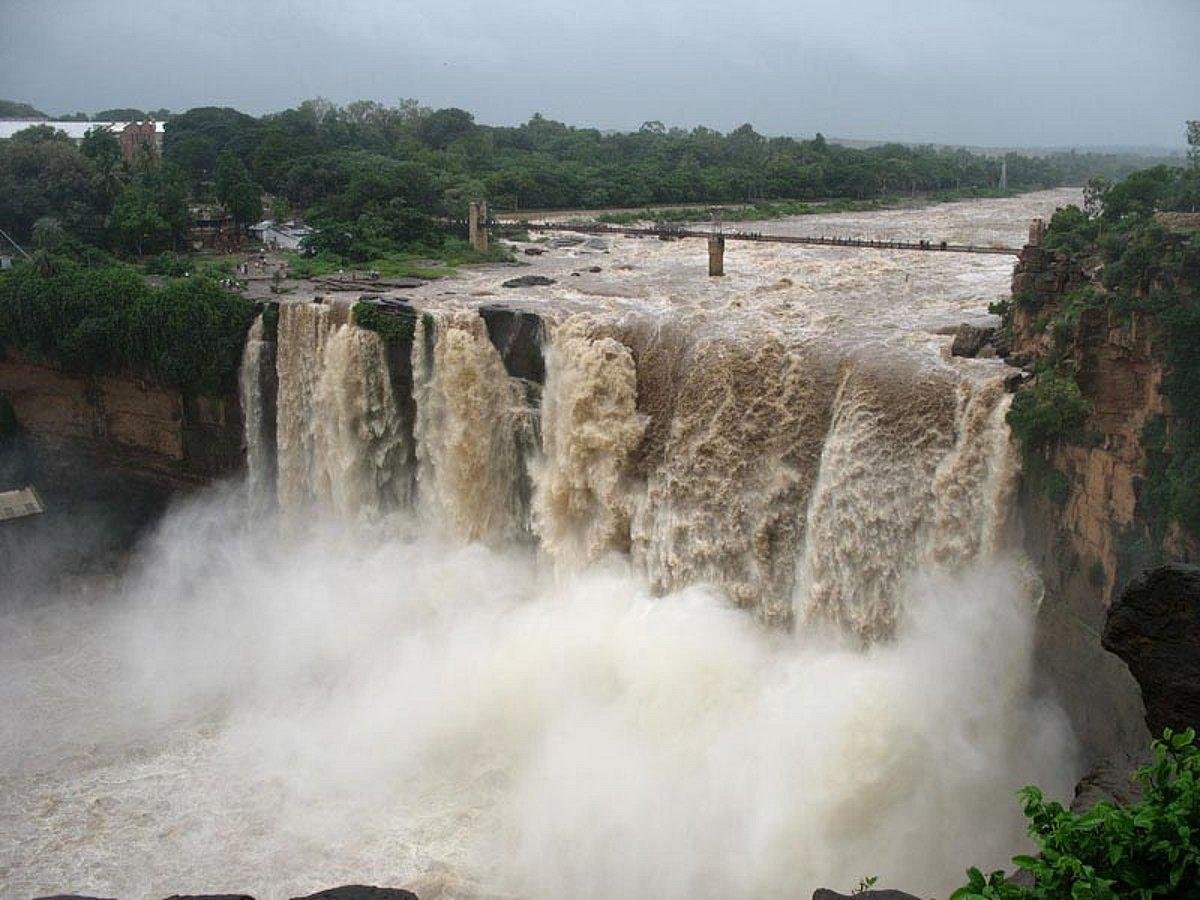
For nature lovers, Gokak Falls is one of the most popular nearby attractions, especially during or after the monsoon. Travelers can also explore temples, parks, food streets, and heritage spots across the district for a fuller experience.
Practical Tips for Visitors and Residents
The best way to experience Belagavi is slowly. Start with heritage sites in the morning, visit local markets later, and keep food stops flexible because many of the city’s best tastes are found in modest local shops.
For new residents, the city offers a balanced lifestyle with education, healthcare, business activity, and regional connectivity. It is not as overwhelming as a metro city, yet it has enough infrastructure to support students, families, traders, and professionals.
Conclusion
Belagavi stands out because it combines history, culture, food, industry, agriculture, and borderland diversity in one place. It is a city where old fort walls, busy bazaars, engineering workshops, sugarcane fields, government buildings, and multilingual streets all belong to the same story.
Anyone writing, traveling, investing, or studying this city should avoid treating it as only a stop between bigger destinations. Belagavi has its own identity, and its strength lies in that mix of heritage, practical economy, and everyday cultural depth.
FAQs About Belagavi
1. What is Belagavi famous for?
Belagavi is famous for Belagavi Fort, Kamal Basti, Belgaum Kunda, Gokak Falls, Suvarna Vidhana Soudha, local markets, and its strong industrial base. It is also known for its pleasant climate, multilingual culture, and position near Karnataka’s border with Maharashtra and Goa.
2. Is Belagavi and Belgaum the same city?
Yes, Belagavi and Belgaum refer to the same city. Belgaum was the older widely used name, while Belagavi is the official name. Many people still use both names in conversation, business listings, travel searches, and older documents.
3. What is the best time to visit Belagavi?
The best time to visit is usually from October to February because the weather is more comfortable for sightseeing. The monsoon season is also attractive for nature lovers, especially if they want to see greener landscapes and nearby waterfalls.
4. What food should visitors try in Belagavi?
Visitors should try Belgaum Kunda, Jolada Roti, Enne Gai, local thalis, spicy snacks, and regional sweets. The city’s food reflects Karnataka, Maharashtrian, and local border influences, which makes its cuisine varied and memorable.
5. Why is Belagavi important for business and industry?
Belagavi is important because it has foundries, machine tool units, aerospace-related manufacturing, sugar factories, agricultural production, and export-linked engineering products. Its location between major western and southern economic routes adds to its business value.
