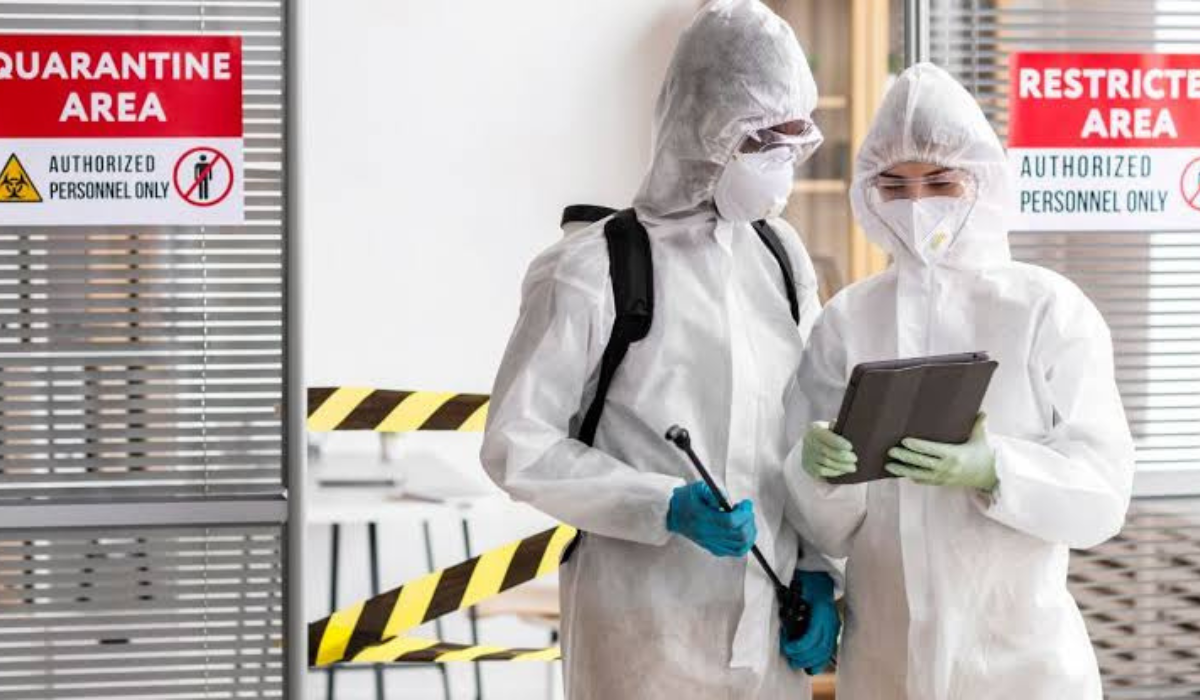

Asbestlint is a search term people use when they find old woven tape, dusty insulation, or warning ribbon connected with asbestos.
The word can point to a real asbestos-containing textile, but it can also describe safety marking tape around contaminated areas.
This guide explains the difference, the historical uses, the risks, and the safest next step when the material is found.
Quick Bio
| Feature | Details |
|---|---|
| Core definition | Asbestlint usually means asbestos tape, asbestos cloth, rope, or fibrous sealing strip used for heat protection or industrial insulation. |
| Origin of the term | The word combines asbest with lint, a Dutch-style word often linked with ribbon, tape, or fibrous material. |
| Primary use | Older heat-resistant wrapping, sealing, gasketing, fireproofing, and thermal insulation. |
| Industry connection | Found in building services, ship repair, boiler rooms, factories, power plants, rail, and older HVAC systems. |
| Common materials | Woven asbestos fibers, often chrysotile, sometimes mixed with binders, coatings, wire reinforcement, or gasket compounds. |
| Popular applications | Pipe wrap, furnace tape, boiler door seals, exhaust insulation, flange gaskets, duct joints, and industrial heat shields. |
| Safety status | Treat any suspect older material as asbestos-containing material until confirmed by qualified testing. |
What Is Asbestlint?
Asbestlint is not a standard English construction term. In practical use, it usually refers to asbestos-containing tape, rope, cloth, or narrow woven insulation used on hot surfaces and mechanical joints.
The keyword also creates confusion because asbestos warning tape may be called by a similar name in some searches. One meaning is the hazardous material itself; the other is a plastic barrier tape used to mark a controlled area.
A simple rule helps: if the material is woven, dusty, heat-aged, or attached to old pipes and equipment, asbestlint may be a suspect asbestos textile. If it is bright plastic with printed warnings, it is usually a marker, not the insulating material.
Historical Origins of Asbestlint
Asbestlint became common because asbestos was strong, flexible, and naturally resistant to heat. During much of the twentieth century, those traits made woven asbestos products attractive for factories, homes, ships, trains, and public buildings.
Older installers used asbestos tape where modern crews might now use fiberglass, graphite, ceramic, or aramid-based products. The material worked well around heat, vibration, steam, and friction, which explains why it appears in older boiler rooms and service spaces.
Its decline came as health evidence and regulation caught up with the hazard. Many countries restricted or banned asbestos products, but legacy materials still remain hidden behind panels, jackets, pipe bends, and machinery covers.
Materials and Construction
Out of rock threads they once twisted soft mats called traditional asbestlint. Chrysotile showed up often since its coiled strands wove smoother compared to certain stiff amphibole types.
Wire or graphite tucked into certain factory-made mixes gave them a different look. Because of that, counting on color to spot asbestos falls short every time.
White, grey, beige, brown – sometimes just grimy with time and smoke. Not the shade that matters most, but frayed borders give it away. A dusty film sticks more than people notice. Wrapping stacked like old paper hints louder than tint ever could.Common Applications and Places Found
The material was used where heat, pressure, or fire resistance mattered. Common locations include pipe insulation, steam lines, furnace doors, boiler access panels, chimney connections, HVAC duct seams, electrical insulation, and gasketed flanges.
In industrial settings, it may appear in foundries, refineries, ship engine rooms, power stations, railway equipment, and old manufacturing plants. In residential properties, it is more likely around older heating systems than in ordinary living spaces.
The highest concern is disturbed or damaged material. A sealed, intact strip is different from a torn strip shedding visible fibers or dust.
Safety Risks and Health Concerns
The risk from asbestlint comes from airborne asbestos fibers. These fibers are too small to identify safely by sight, and inhalation is the main exposure route.
Health concerns linked with asbestos include asbestosis, lung cancer, and mesothelioma. Illness can appear many years after exposure, which is why even small renovation jobs deserve caution.
Risk rises when material is cut, scraped, sanded, drilled, brushed, vacuumed with a normal vacuum, or pulled from a pipe. The safest response is to stop work, isolate the area, and contact a qualified asbestos professional.
Identification: What You Can and Cannot Tell by Looking
You cannot confirm asbestlint by appearance alone. A woven band may be asbestos, fiberglass, cotton, hemp, mineral wool, or another old industrial textile.
Context matters more than guesswork. Age of the building, location near heat, installation on mechanical equipment, and brittle or dusty condition all raise suspicion.
Photos can help a specialist understand the situation, but they cannot replace lab analysis. If the result affects renovation, demolition, sale, insurance, or worker safety, proper sampling is the only reliable path.
Regional, Linguistic, and Cultural Connections
The term is most understandable in a Dutch or Germanic language context. Asbest means asbestos in several European languages, while lint can suggest ribbon, strip, or tape.
Regional search intent often comes from homeowners renovating older European houses. People may discover a fibrous strip near a pipe, translate a product label, or read a contractor note and search the term quickly.
There is also a heritage angle. Museums, historic ships, old locomotives, theater heating rooms, and industrial archaeology sites may contain asbestos textiles that must be preserved, documented, or removed without casual handling.
Commercial Variations and Related Product Names
The keyword can overlap with several product names: asbestos tape, asbestos rope, asbestos cloth, asbestos webbing, gasket tape, pipe lagging tape, boiler seal strip, and heat shield wrap. These names describe shape and use rather than a single brand.
Some products were woven flat, while others were braided into rope. Others were laminated, coated, or stitched into insulation jackets.
Modern listings may use the keyword incorrectly for awareness content, warning tape, or general asbestos dust. That is why a page about the subject should explain the term before discussing risk.
Modern Alternatives and Future Trends
New projects should not use asbestos textile products. Safer alternatives may include fiberglass tape, ceramic fiber products, calcium silicate insulation, mineral wool, aramid fabric, expanded graphite seals, and PTFE-based gasket materials, depending on temperature and chemical exposure.
The next trend is better building documentation. Digital asbestos registers, material passports, QR-coded maintenance records, and pre-renovation surveys are becoming more important for asset owners.
Another future shift is safer renovation planning. Instead of discovering asbestlint after work starts, better surveys can identify suspect materials before walls, ducts, or mechanical rooms are disturbed.
Practical Guidance for Owners, Buyers, and Renovators
If you find possible asbestos tape or cloth, do not pull, cut, sweep, or vacuum it. Keep people away from the area and avoid creating air movement that could spread dust.
For buyers, ask for asbestos surveys, renovation records, boiler replacement notes, and abatement certificates. A property with asbestos is not automatically unsafe, but poor documentation makes risk harder to manage.
For renovators, build asbestos checks into the first planning stage. The most expensive discovery is often the one made after demolition has already begun.
Conclusion
When you hear the word, think old-school – stuff like frayed insulation strips or faded ropes tucked inside walls. Picture fabric once prized for blocking fire now hanging loose near pipes where nobody checks. That quiet piece might’ve helped machines run cool decades ago. Yet if someone tears it open today, tiny sharp fibers go airborne without notice. What worked well back then hides danger now when broken apart by accident.
Stop what you are doing first. Stay clear of the area once you notice something off. Write down exactly where it appears, right then. Qualified checks must come before any choices get made. Spotting things early keeps people healthier. Projects move forward without expensive holdups when risks are known. Owners can pick newer, safer options more easily this way.
FAQs
Is asbestlint always dangerous?
The material is dangerous when it contains asbestos and releases fibers into the air. Material that is sealed, undamaged, and not disturbed may present lower immediate risk, but it should still be treated with caution until professionally assessed.
The danger increases during renovation, demolition, cleaning, or mechanical repair. Any dusty or frayed material near old heat systems should be handled as suspect.
How can I tell whether the material contains asbestos?
You cannot confirm it just by looking. Texture, color, and age can suggest suspicion, but only proper laboratory analysis can confirm asbestos content.
A trained inspector can decide whether sampling is needed and how to collect it safely. Improper sampling can release fibers, so DIY disturbance is not recommended.
Where is the material most commonly found?
It is most often found around older heat and mechanical systems. Examples include pipes, boilers, furnace doors, flues, duct seams, valves, gaskets, and machinery insulation.
Industrial and transport settings have higher chances of legacy asbestos textiles. Homes may still contain suspect materials around old heating equipment or service rooms.
What is the difference between asbestlint and asbestos warning tape?
Asbestlint can mean an asbestos-containing textile tape or strip. Asbestos warning tape is usually plastic barrier tape printed with danger messages to mark a restricted area.
The distinction matters because one may be the hazardous material, while the other is only a safety label. When the term appears in a report or listing, check the context carefully.
What should I do if I find suspected asbestos tape during renovation?
Stop disturbing the area and keep dust under control by avoiding sweeping, scraping, sanding, or ordinary vacuuming. Do not remove the material casually.
Contact a qualified asbestos inspector or abatement contractor for advice, testing, and next steps. This protects occupants, workers, and the project timeline.