
Quick Bio
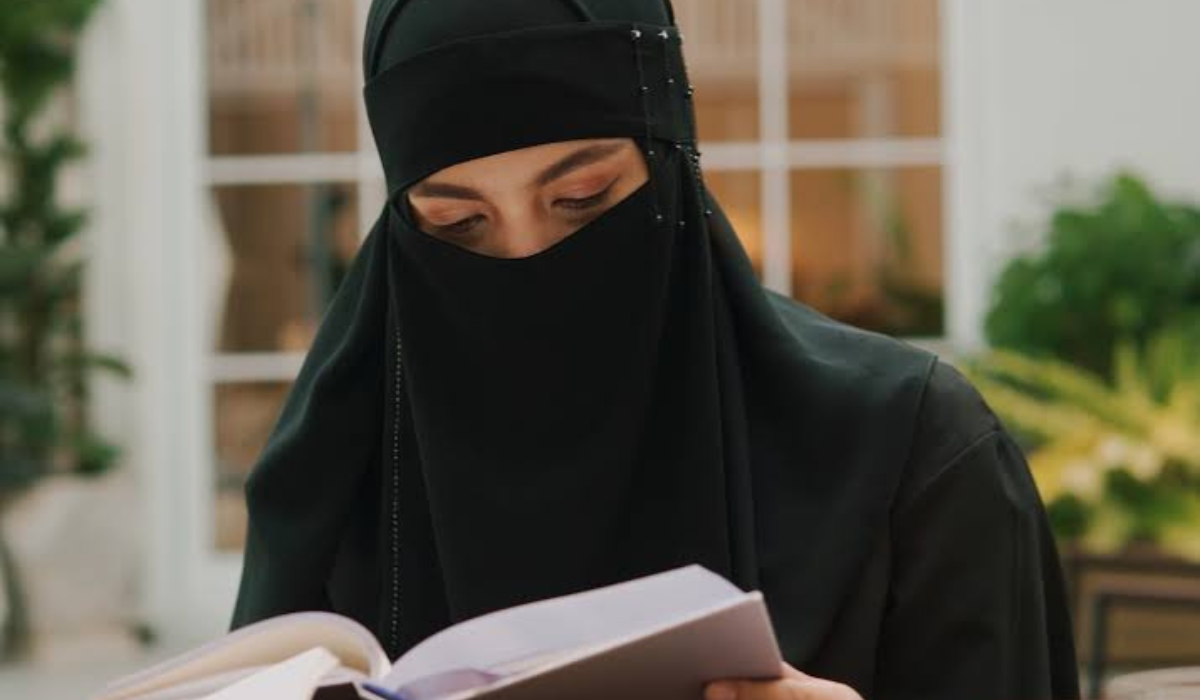
A niqab is a face veil worn by some Muslim women, usually leaving the eyes visible.
It sits within the wider world of modest fashion, Islamic clothing, and regional dress traditions.
This guide explains its meaning, history, fabrics, styles, daily uses, and buying considerations.
| Feature | Details |
|---|---|
| Core definition | A face veil that covers the lower face, commonly paired with a hijab, khimar, abaya, jilbab, or loose outerwear. |
| Word origin | The term comes from Arabic usage and is commonly written as niqāb in transliteration. |
| Primary use | Worn for modesty, religious commitment, privacy, cultural identity, or personal comfort in public spaces. |
| Industry category | Part of modest fashion, Islamic apparel, religious clothing, and specialty women’s accessories. |
| Common materials | Chiffon, georgette, crepe, cotton blends, lightweight polyester, silk blends, jersey, and breathable mesh panels. |
| Popular applications | Prayer settings, daily errands, school or work commutes, travel, Eid outfits, abaya styling, and formal modestwear. |
What Is a Niqab?
Open-eyed and quiet, a niqab drapes over the lower face, hiding nose, mouth, cheeks, and chin. Alongside it, many wear a headscarf or khimar – this wraps the hair, covers the neck too.
What you see isn’t always the same shape. One type fastens at the back of the neck, another clips onto a band around the head, while a third comes stitched right into a longer veil or robe. Because it shifts like that, a single name covers many forms.
Niqab vs Hijab, Burqa, Abaya, and Chador
A hijab usually refers to a head covering, while a niqab covers the face. A burqa generally covers the full face and body, often with a mesh screen over the eyes.
An abaya is a loose outer robe, a chador is a full-body cloak commonly associated with Persian-influenced dress, and a jilbab is a loose outer garment. These pieces can overlap in styling, but they are not the same item.
Historical Origins and Cultural Pathways
Face veiling did not appear in one place at one moment. Veils, cloaks, and head coverings have existed across the Middle East, North Africa, South Asia, the Mediterranean, and parts of Central Asia in different forms.
The niqab became especially recognizable in Arabic-speaking societies, but related face-covering traditions also developed through trade routes, urban etiquette, climate needs, and ideas of public modesty. Its history is layered, not simple.
Language Roots and Early Veiling Traditions
The Arabic spelling نقاب is commonly transliterated as niqāb. In English, the word now points mainly to a face veil associated with Muslim women, although face veils as objects have appeared in many cultures.
Museum textile collections preserve embroidered veils from the 18th and 19th centuries made with cotton, silk, linen, and metallic thread. That detail matters because veiling was not only functional; it was also part of textile art, status, and regional craft.
Religious Meaning, Choice, and Identity
For many women, wearing a niqab is connected to faith, personal discipline, and a desire for visible modesty. For others, it may reflect family tradition, local custom, privacy, or a preferred way to move through public life.
Islamic opinions on face covering differ by school, scholar, community, and personal interpretation. That is why careful writing should avoid claiming that every Muslim woman wears it or that every Muslim authority views it the same way.
Regional Styles and Artistic Connections
Regional dress gives the niqab much of its visual variety. A Gulf style may look plain, flowing, and black, while South Asian versions may be paired with colorful abayas, jilbabs, or layered scarves.
North African veiling traditions, Turkish textiles, Persian-influenced cloaks, and embroidered museum pieces show how fabric culture shaped modest dress. Stitching, edge finishing, pleating, and drape can all signal local taste.
Gulf, South Asian, North African, and Turkish Influences
In Gulf wardrobes, black crepe and chiffon are common because they create a clean fall and match the abaya. In South Asia, niqab styling often blends with long tunics, jilbabs, and practical everyday scarves.
North African dress may include wrap-based veils, while Turkish and Ottoman-era textile records show silk and embroidered veils with decorative value. These connections make the garment part of a wider clothing map, not a single uniform.
Materials Used in Niqab Design
Fabric choice affects comfort more than most buyers expect. Chiffon feels light and airy, georgette offers a soft grain, crepe gives better opacity, and cotton blends can feel cooler in warm weather.
Some affordable products use polyester because it holds shape, resists wrinkles, and keeps costs lower. Premium options may use silk blends, matte crepe, or finer stitching for a softer touch around the face.
Breathability, Drape, Opacity, and Comfort
A good niqab balances four things: airflow, coverage, softness, and secure fit. If the fabric is too thin, it may feel comfortable but lack opacity; if it is too heavy, it may feel warm or stiff.
Small construction details matter. A soft nose string, adjustable tie, smooth inner seam, and non-scratchy eye opening can make the difference between occasional use and daily comfort.
Modern Applications in Daily Life
Women wear the niqab in different routines: commuting, shopping, attending classes, visiting family, traveling, praying, or joining public events. Some prefer minimalist black designs, while others choose softer neutrals or coordinated sets.
For work or study, practical design becomes important. Lightweight layers, secure ties, and breathable fabric help the garment stay comfortable during long hours, especially in hot climates or crowded transport.
Commercial Variations, Buying Choices, and Future Trends
Common types include one-layer, two-layer, three-layer, half niqab, tie-back, snap-button, headband, butterfly, and built-in khimar styles. Buyers often choose based on coverage level, fabric feel, climate, and how easily the piece pairs with an abaya or jilbab.
The wider modest fashion market is becoming more organized, with stronger demand for size-inclusive cuts, better fabric labeling, sustainable textiles, and polished product photography. Future designs will likely focus on comfort engineering: lighter crepes, anti-slip construction, breathable panels, and travel-friendly wrinkle resistance.
Care, Storage, and Practical Styling
Wash delicate pieces gently, especially if they use chiffon, silk blend, embroidery, or fine stitching. Air drying helps protect the shape, while harsh heat can damage elastic, soften pleats, or affect the fabric finish.
For styling, keep balance in mind. A simple face veil pairs well with a detailed abaya, while a layered or flowing design works better with cleaner outerwear. The goal is a composed outfit, not a crowded one.
FAQs
1. What is the main purpose of a niqab?
The main purpose is modest face covering, often connected with faith, privacy, cultural practice, or personal preference. Many women also value it because it creates a consistent public dress style that feels intentional and dignified.
2. Is a niqab the same as a hijab?
No. A hijab usually covers the hair, neck, and chest area depending on style, while a niqab covers the lower face. Many wear both together, but each item has a different function.
3. Which fabric is best for daily wear?
For daily use, lightweight crepe, georgette, breathable chiffon, or soft cotton blends are usually practical. The best choice depends on climate, opacity needs, skin sensitivity, and how long the garment will be worn.
4. Can a niqab be styled for formal occasions?
Yes. Formal styling often uses smoother fabric, cleaner seams, coordinated abayas, elegant cuffs, or subtle embroidery. The strongest looks usually keep the face veil simple and let the outer garment carry the design detail.
5. How should someone choose the right size or style?
Check the eye opening, tie length, fabric width, and coverage level before buying. A good fit should sit securely without pulling, scratching, slipping, or blocking comfortable vision.
Conclusion: Choose With Clarity, Comfort, and Respect
A piece of fabric covers much more than just skin. Woven into it sits tradition, belief, local craft, everyday choice, self-definition – each thread tied to something lived rather than spoken.
Choosing well means lining up material, how it sits on the body, how much skin shows, while fitting real daily routines. Clear details matter most when describing clothing – stick to precise words, link ideas without bias, show differences among those who actually wear the piece.