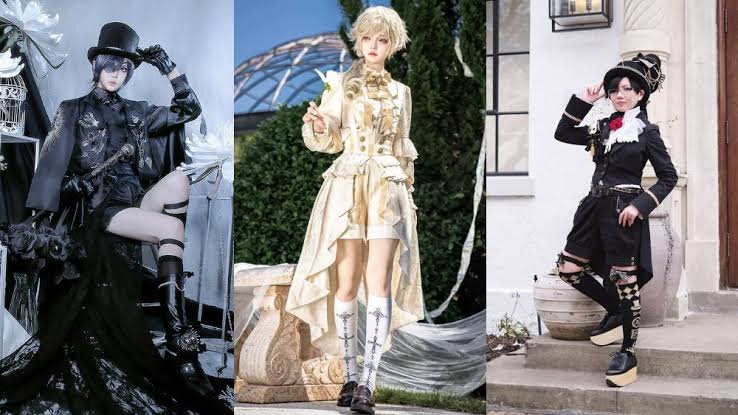

Stepping into the world of Japanese alternative street fashion can feel like walking into a living fairy tale. While many are instantly drawn to the voluminous frills of Lolita fashion, there is a counterpart that trades bell-shaped skirts for tailored trousers and aristocratic charm: Ouji fashion.
Often referred to as the “prince style” or boy style (shōnen style in Japan), this aesthetic offers a distinctive blend of historical European menswear, Victorian boyishness, and dark romanticism. Whether you are a newcomer looking to build your very first coordinate (or “coord”) or an experienced alternative fashion enthusiast aiming to refine your silhouette, understanding the precise anatomy of this style is essential.
This comprehensive blueprint explores the history, rules, essential garments, and substyle nuances of Ouji fashion, providing the ultimate roadmap to mastering this captivating look.
What is Ouji Fashion? Understanding the Aristocratic Silhouette
At its core, Ouji fashion is a Japanese fashion subculture focused on a youthful, aristocratic masculine aesthetic inspired by 19th-century European clothing. Despite being the sibling style to Lolita fashion, it is entirely gender-neutral. Anyone can wear it, regardless of gender identity.
The primary objective when constructing an outfit is to achieve a balanced, prince-like silhouette. Unlike mainstream menswear, this style emphasizes a high-waisted look, structured shoulders, and short, voluminous pants that create a distinct visual break at the knees. It is a theatrical yet meticulously tailored form of dress that relies heavily on textile quality, layered details, and historical reimagining.
How to Solve the Silhouette Puzzle: Essential Anatomy of a Coord
Building a proper coordinate requires strict attention to proportions. If you simply throw a vest over a casual shirt, you will end up looking like you are wearing a basic historical costume rather than an authentic alternative fashion outfit. Every coordinate requires a set of fundamental building blocks.
1. Ouji Pants (The Foundation)
The pants define the entire outfit. You cannot wear standard skinny jeans or modern slacks. Instead, the look relies on specific historical cuts:
-
Pumpkin Pants: Short, heavily gathered shorts that bloomed out around the thighs, mimicking late Renaissance or Victorian undergarments.
-
Knickerbockers & Breeches: Slimmer through the thigh but gathered tightly right below the knee.
-
Straight-Leg Shorts: Tailored shorts ending just above or at the knee, often featuring split cuffs, corset-lacing details, or button accents.
2. Blouses and Shirts
An Ouji fashion blouse acts as the frame for your face and neck. Look for high collars, dramatic Peter Pan collars, or Victorian jabots (decorative ruffles falling from the throat). The sleeves should feature bell shapes, lantern cuts, or heavy ruffling at the cuffs to ensure they peek out elegantly from underneath a jacket or vest.
3. Vests, Waistcoats, and Jackets
Outerwear is where you establish your substyle and structural authority. A well-fitted waistcoat cinches the waist and elongates the legs. Jackets range from short, military-inspired cropped blazers to dramatic tailcoats that sweep behind you as you walk. Double-breasted designs and brass buttons are staples here.
How to Choose Your Substyle: Navigating the Aesthetic Spectrum
Just like its sister fashion, this aesthetic is divided into distinct substyles. Choosing the right direction helps you curate a cohesive wardrobe where pieces can be easily mixed and matched.
Gothic Ouji
This is perhaps the most popular iteration. Dominated by a dark, brooding palette—think deep blacks, midnight blues, rich burgundies, and forest greens—Gothic coordinates lean heavily into vampire lore, Victorian mourning clothes, and dark fantasy. Velvet, brocade, and heavy lace are the primary textiles used here.
Sweet Ouji
On the opposite end of the spectrum lies the whimsical, innocent world of Sweet style. This category utilizes pastel colors, creams, soft browns, and playful motifs like crowns, toys, sweets, and carousel animals. The fabrics are lighter, often incorporating soft cottons and delicate embroidery.
Classic Ouji
Focused entirely on historical accuracy and mature tailoring, the Classic variant utilizes muted tones like beige, brown, navy, and dark green. Patterns are subtle, featuring traditional elements like houndstooth, glen plaid, and pinstripes. It is the most understated and sophisticated version of the fashion.
Step-by-Step Guide: How to Coordinate Your First Outfit Without Breaking Rules
Achieving a flawless look requires a systematic approach to layering. Follow this sequence to build a balanced outfit.
How to Avoid Critical Errors: The Golden Rules of Coordinate Design
When diving into this fashion culture, beginners often make a few common mistakes that compromise the look. Avoid these pitfalls to protect your aesthetic presentation:
-
Never Leave Your Head Bare: Headwear is not optional. A coordinate without a hat, beret, or decorated hairpiece looks incomplete and bottom-heavy.
-
Avoid Mainstream Socks: Plain white athletic socks or crew socks will instantly break the illusion. Stick to solid opaque OTKs (over-the-knee socks), argyle patterns, or custom printed legwear from alternative brands.
-
Mind the Iron: Wrinkles destroy the sharp, aristocratic illusion of the fashion. Always steam or iron your cotton blouses, linen capes, and pleated shorts before stepping out.
Where to Buy Authentic Pieces: Trusted Brands and Shopping Strategies
Finding genuine apparel requires knowing where to look, as cheap costume replicas from fast-fashion sites lack the correct structure, volume, and fabric quality.
Premium Japanese Indie Brands
If your budget allows, buying directly from established Japanese labels ensures historical silhouette accuracy and top-tier construction:
-
Alice and the Pirates (AAtP): The undisputed titan of the subculture, known for gorgeous gothic and pirate-themed prints, exceptional tailoring, and dramatic capes.
-
Atelier Boz: Famed for elegant, highly structured, minimalist gothic and classic designs with flawless tailoring.
-
Moi-même-Moitié: While primarily a Gothic Lolita brand, they occasionally release breathtaking, ethereal gothic menswear and boy-style items.
High-Quality Chinese Indie Labels (Taobao Brands)
For budget-conscious or intermediate coordinates, the Chinese indie fashion scene offers incredible value and sizing diversity:
-
Princess Chronicles: A highly popular brand specializing in modern, sharp, accessible, and comfortable everyday items.
-
Immortal Thorn: Famous for highly detailed, theatrical, military-gothic coats and dramatic structured waistcoats.
Conclusion: Embodying Your Inner Prince
Mastering Ouji fashion is an ongoing artistic journey of self-expression, historical appreciation, and tailoring appreciation. By focusing heavily on structural balance, honoring the substyle rules, and investing in quality foundation pieces like the perfect blouse and structured shorts, you can confidently craft coordinates that look straight out of a gothic novel or royal court. Step forward with poise, experiment with your favorite substyles, and rule your alternative fashion world with absolute confidence.
Frequently Asked Questions
Is Ouji fashion exclusive to men?
No, it is a completely gender-neutral fashion subculture. It is worn by people of all genders who enjoy the masculine, youthful aristocratic European aesthetic.
Can I wear this style casually without full headgear?
While a full coordinate requires headwear for formal events or meetups, you can practice “Casual Ouji” by swapping dramatic top hats for simple berets or flat caps, and trading intense ruffles for structured, everyday button-down collars.
What is the difference between Lolita and Ouji?
Lolita fashion focuses heavily on a hyper-feminine, bell-shaped or A-line skirt silhouette inspired by Victorian children’s dresses. This style focuses on a boyish, masculine princely silhouette utilizing shorts, knickerbockers, vests, and historical menswear elements.
How do I care for and clean my coordinates?
Most high-end pieces feature delicate laces, velvets, and complex prints. Always check the wash care label. When in doubt, hand wash your blouses in cold water and hang dry them, while taking heavy vests, jackets, and structured capes to a trusted professional dry cleaner.
Can I make my own clothes if I can’t afford the brands?
Yes. The alternative fashion community highly respects home sewing and indie design. Look for vintage indie patterns of historical Victorian boy clothes, breeches, and waistcoats, ensuring you select sturdy fabrics like cotton twill, brocade, or high-quality velvet to preserve the signature look.